
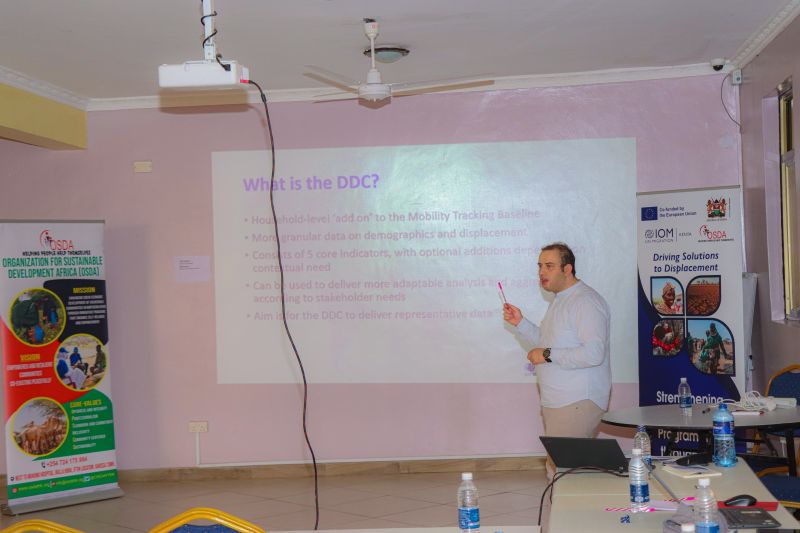
What is DTM?
The Displacement Tracking Matrix (DTM) is a crucial tool developed to monitor and assess the movement, needs, and challenges of displaced populations. By gathering reliable data, DTM enables organizations to respond effectively to the evolving realities of displacement. The initiative focuses on identifying the root causes of fragility and mobility patterns while providing a roadmap for sustainable solutions.
OSDA’s Role in the DTM Initiative
In collaboration with IOM – UN Migration Kenya, OSDA recently carried out a series of impactful activities under the DTM initiative in Wajir and Mandera counties. These efforts were designed to provide accurate, data-driven insights into the realities of displaced persons, guiding both local and national responses to displacement challenges.
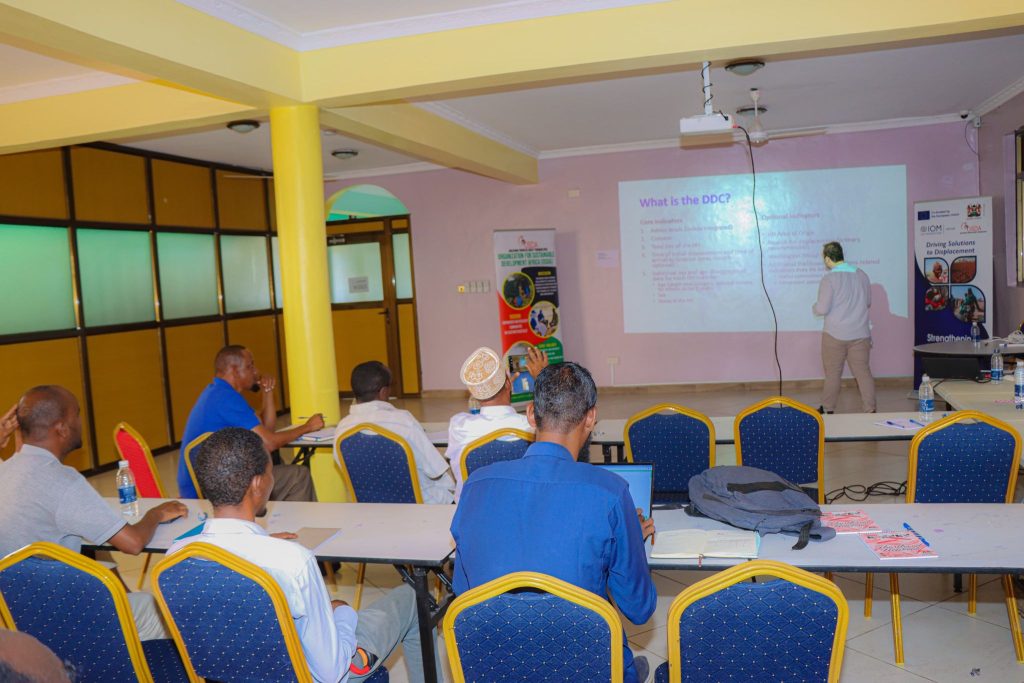
Training Programs in Wajir
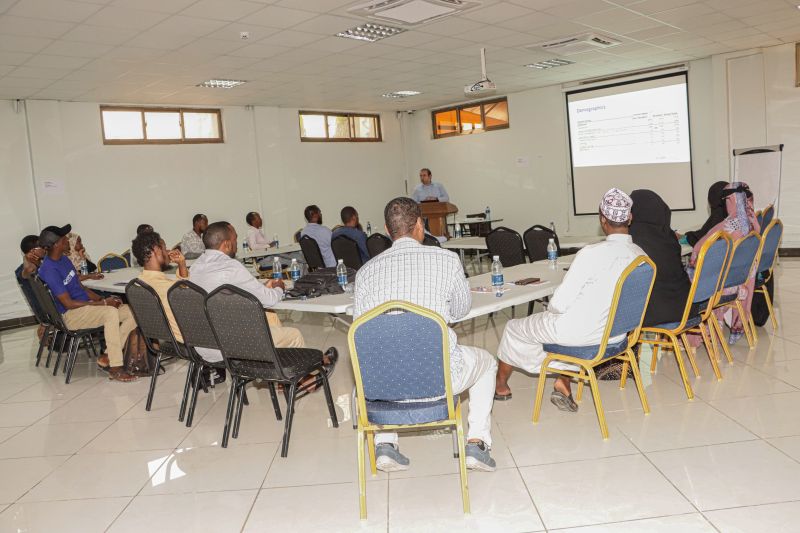
In Wajir County, OSDA and IOM organized a comprehensive training program aimed at empowering enumerators to collect and analyze critical data. Two key groups of enumerators were trained:
- Demographic Displacement Calculator (DDC): Focused on collecting data on demographics and displacement patterns.
- Solution Mobility Index (SMI): Concentrated on assessing mobility and exploring sustainable solutions for displaced individuals.
These trainings have laid the foundation for more effective and targeted interventions by improving the quality of data collected and enhancing the understanding of displacement dynamics in the region.
Field Research in Mandera
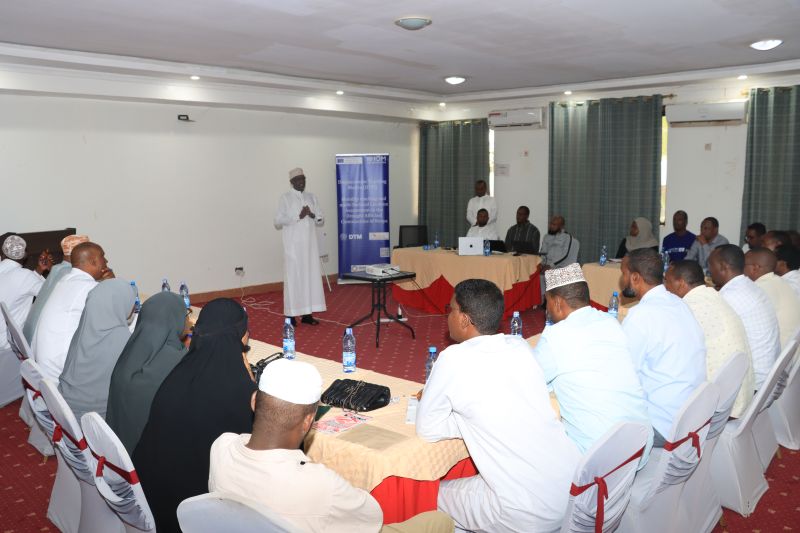
OSDA and IOM also spearheaded a research initiative in Mandera County to uncover the unique challenges faced by displaced populations and identify the root causes of fragility in the region. Over two weeks, dedicated enumerators worked on the ground, capturing invaluable data on the realities of affected communities.
The findings were validated during a workshop at Granada Hotel in Mandera, graced by the presence of H.E. Dr. Ali Maalim Mohamed, Deputy Governor of Mandera County. This workshop provided a platform for key stakeholders, including county and national government representatives, to align community insights with existing records and ensure the data’s accuracy and relevance.
Turning Data Into Action
The data collected during these initiatives in Wajir and Mandera was shared with stakeholders, including government representatives, for validation and strategic alignment. By integrating community-driven insights with official records, the research ensures that the information is actionable and tailored to the specific needs of each county.
This collaborative effort not only highlights the realities of displacement but also provides a solid foundation for informed decision-making, paving the way for impactful and sustainable solutions in Northern Kenya.
A Path Toward Resilience
Through the DTM initiative, OSDA continues to demonstrate its commitment to empowering communities and addressing displacement challenges. By turning data into actionable strategies, we are fostering resilience, promoting sustainable development, and ensuring that the voices of displaced populations are heard and addressed effectively.
