
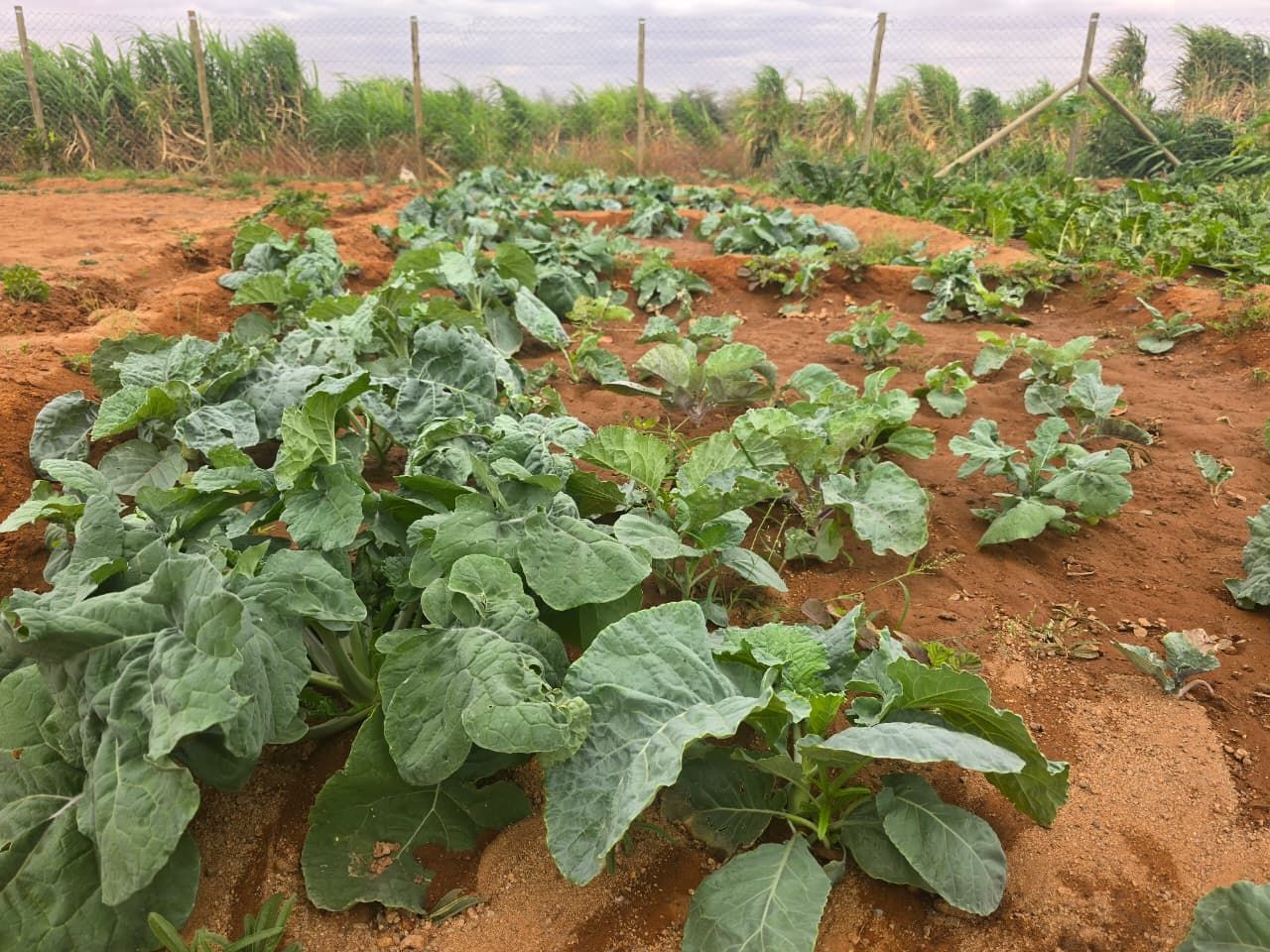
Across Kenya’s arid and semi-arid lands (ASALs), farmers have always been innovators—adapting to harsh climates, fragile soils, and limited water. But today, the stakes are higher. Climate change is eroding harvests, global food prices are volatile, and drought cycles are shorter and harsher. Against this backdrop, agroecology is stepping out of the margins and proving itself as a powerful solution—not just for food security, but for resilience, health, and dignity.
What Agroecology Really Means
Agroecology is more than organic farming or crop rotation. It’s an approach that works with nature rather than against it—restoring soil fertility through composting and intercropping, improving water retention with indigenous techniques, and diversifying crops to reduce risk. It blends traditional knowledge with modern science, building farming systems that can withstand drought, feed families nutritiously, and sustain the land for generations.
In recent months, a national symposium on agroecology brought together smallholder farmers, researchers, NGOs, and policymakers. Their message was clear: “This works—and investing in it could transform Kenya’s food systems.”
Why Agroecology Matters Now
- 🌾 Soil and Water Restoration – Healthy soils retain water better, buffer crops against dry spells, and produce more reliable yields.
- 🌍 Climate Resilience – Diverse, nature-based farming systems are less vulnerable to extreme weather, pests, and price shocks.
- 💸 Economic Stability – Agroecology reduces reliance on expensive inputs like synthetic fertilizers and pesticides, allowing farmers to reinvest savings into their families and communities.
- 🤝 Community Empowerment – By centering local knowledge, agroecology strengthens communities’ ownership of their food systems, reducing dependency on external aid.
The Funding Gap
Despite its promise, agroecology currently receives less than 2% of global climate finance. This mismatch leaves smallholder farmers—especially in fragile areas like Mandera, Wajir, and Turkana—without the resources to scale practices that already work. Bridging this gap means rethinking priorities: investing in local expertise rather than top-down solutions, and backing systems that nurture land and livelihoods simultaneously.
OSDA’s Perspective
For over a decade, OSDA has worked alongside pastoralists, farmers, and local organizations across Northern Kenya. We’ve seen firsthand how combining traditional wisdom with context-specific innovation creates lasting change. Agroecology is not a quick fix; it’s a pathway toward food security, climate justice, and community resilience.
As the global conversation on sustainable food systems grows louder, Kenya has a chance to lead by example—showing that farming can heal land, feed families, and secure futures. But it will take bold investment and collective will to turn that vision into reality.
