
Reflections from the field — Northern Kenya and Somalia
When you stand in a village in Mandera or walk through a displacement settlement in central Somalia, “peace” becomes a stack of concrete blocks, a repaired borehole, a teacher who stayed when the rains failed. It is not only the absence of gunfire; it is the presence of safety, opportunity and justice. That is what the 2025 International Day of Peace theme asks of us: “Act Now for a Peaceful World.”
A human lede: one morning in Bella
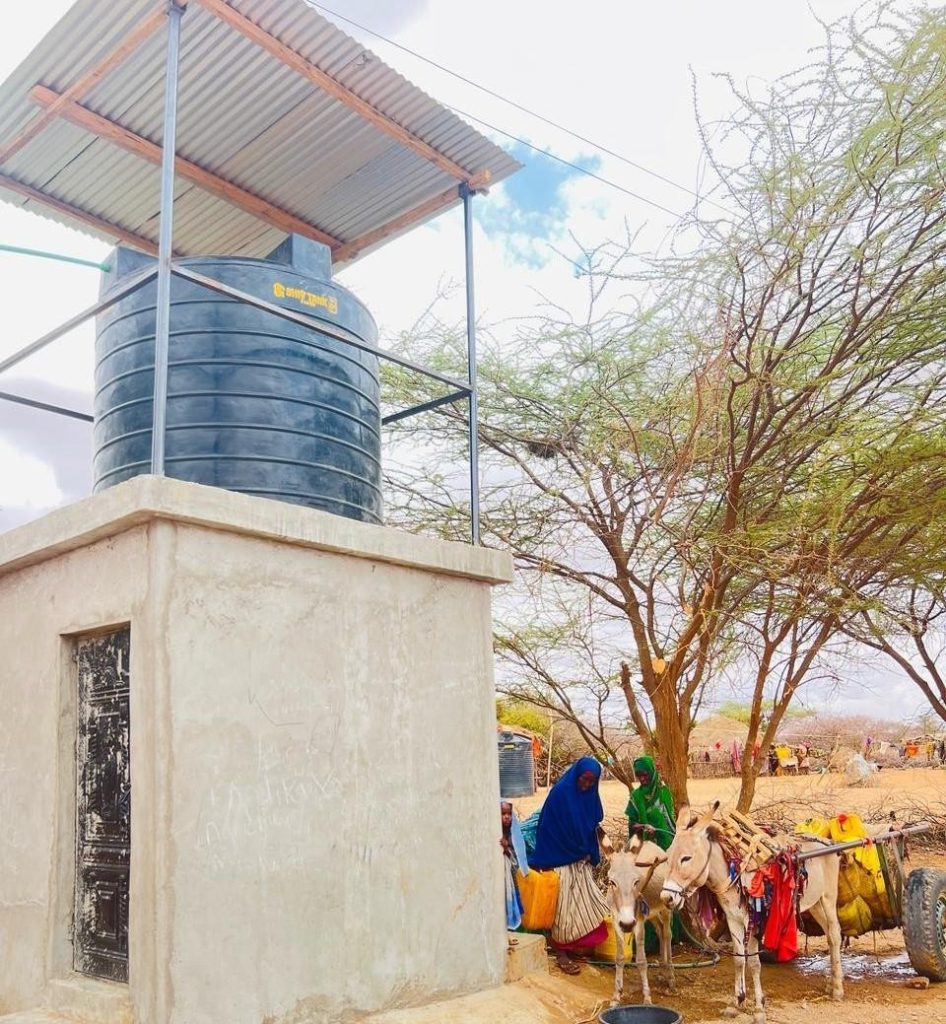
On a morning in Bella, Mandera East, women collect water from a newly-installed communal tap. They laugh about the kids who finally make it to class on time. A year earlier, those same women walked hours to seasonal rivers; their children missed lessons; clinics were empty of essential supplies. The transformation wasn’t instant — it was the result of patient negotiations, community committees, and a small network of local responders insisting that water and dignity reduce tensions as surely as any peace accord.
That small scene is a tidy example of what peace work looks like in places where humanitarian needs, climate stress and scarcity collide. When people can meet their basic needs, the space for cooperation — rather than competition — grows.
Why “acting now” matters here
We live in an era of compounding shocks: climate extremes shrink pasture and water, food prices spike, and displacement concentrates people in fragile areas with weak services. In such environments, grievances flare quickly. A single broken well, an unaddressed land dispute, or an unattended outbreak of malnutrition can cascade into conflict.
Acting early — before the well runs dry, before the school closes, before families are forced to migrate — is not charity. It is conflict prevention. It is peacebuilding with a stopwatch.
Voices that still guide us
Leaders across generations have said variations of the same truth: peace requires justice, partnership, and moral courage.
“True peace is not merely the absence of tension; it is the presence of justice,” wrote Martin Luther King Jr., reminding us that silence in the face of suffering is not neutral but corrosive to peace.
Nelson Mandela put it plainly about the hard work of reconciliation: “If you want to make peace with your enemy, you have to work with your enemy. Then he becomes your partner.” That quiet, pragmatic insistence on building bridges is precisely what communities in the Horn do every day — negotiating access to pasture, mediating over water points, and turning yesterday’s rivalries into today’s cooperative ventures.
And Archbishop Desmond Tutu’s warning lands like a bell: “If you are neutral in situations of injustice, you have chosen the side of the oppressor.” In practice, this is a call to act — to stand with those whose voices are too often ignored.
These are not abstract aphorisms in the field. They are the moral scaffolding for programs that insist on local leadership, justice-oriented services, and inclusive processes.
What peace looks like on the ground
From the many years covering and supporting interventions in Northern Kenya and Somalia, the concrete ingredients of sustainable peace are consistent:
- Reliable basic services — water, health, education, and market access — remove daily stressors that otherwise drive conflict.
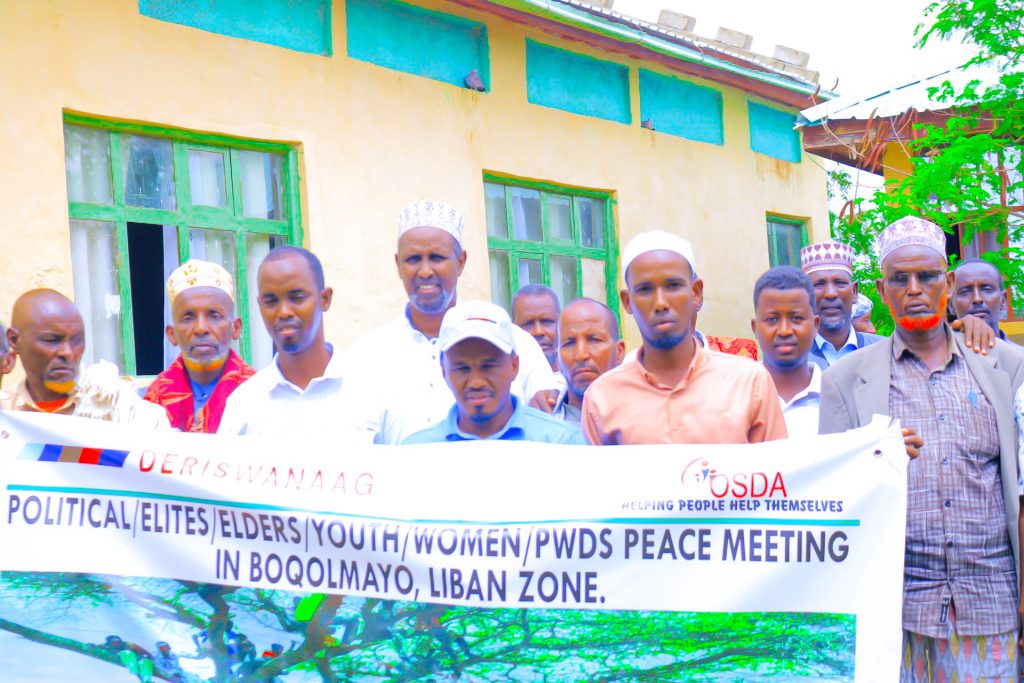
- Local dispute resolution mechanisms — elders’ councils, women’s groups, and youth forums — turn flashpoints into mediated conversations.
- Inclusive governance — representation of marginalized groups (pastoralists, IDPs, women) in decisions about land, water and aid.
- Economic opportunity and predictable livelihoods — seasonal cash-for-work, communal granaries, and agro-ecological practices that reduce vulnerability to climate shocks.
- Trust-building investments — shared infrastructure (water points, schools) managed jointly by neighbouring communities.
When all of the above line up, the risk of violence drops and community resilience grows.
Crossing lines: why localized action matters
Global pledges matter, and so do diplomatic ceasefires. But in the Horn, peace is stitched together in markets, around water tanks, and in health clinics. Local responders know how families cope, where tensions simmer, and what small acts will prevent escalation. That local intelligence must be the centrepiece of any “act now” strategy. Funding and policy must bend toward local leadership — not simply as an ethical choice, but as the most effective route to peace.
The role of NGOs — and the limits of doing alone
NGOs, including OSDA, operate in that narrow, critical space between people’s needs and the state’s capacity. We build water systems, train mediators, and support community health volunteers. But NGOs are not a substitute for accountable institutions. Sustainable peace requires that governments, local authorities, and communities share ownership of solutions. Where this happens, donors’ money multiplies and trust deepens.
A short roadmap for action (what “Act Now” should mean locally)
- Prioritize predictable, gender-sensitive basic services — water, maternal health and nutrition — in every high-risk district.
- Fund local early-warning and anticipatory action systems that can trigger cash, seeds or water trucking before crisis peaks.
- Invest in inclusive local governance — support community councils that include women, youth and pastoralist voices.
- Scale joint-resource infrastructure (shared wells, markets, veterinary posts) to create incentives for cooperation.
- Back mediation and restorative justice as core components of humanitarian programming, not add-ons.
Closing: a practical call
“Act Now for a Peaceful World” is not a single day’s hashtag. It is a daily practice in communities where the mediums of peace are practical: a repaired pump, an inclusive meeting, a classroom that stays open. For donors, policymakers and practitioners, the imperative is to shift resources earlier and closer to communities. For citizens and local leaders, it’s to insist that peace be paired with justice, predictable services and local agency.
In the Northern Kenya & Somalia, in the camps and on the rangelands, peace is being made in small, stubborn ways. Those small things add up. As Mandela taught us, partners are forged in the work of doing — sometimes with those we once called enemies. As King taught us, peace without justice is not peace. And as Tutu warned, staying neutral in the face of injustice is no option.
This International Day of Peace, act with those principles in mind: fund early, centre local leadership, and build services that keep people safe and connected. The alternative — waiting until conflict hardens — is a cost none of us can afford.
Read more about OSDA’s community-led work and how you can support locally driven peacebuilding: osdafrik.org
Selected sources for quoted passages and the 2025 theme: Martin Luther King Jr. — Stride Toward Freedom. National Park Service; Nelson Mandela quote archive/remarks. OSCE+1; Desmond Tutu biographical references. Oxford Reference; International Day of Peace 2025 theme. internationaldayofpeace.org
