Organization for Sustainable Development Africa
The Organization for Sustainable Development Africa (OSDA) is a local non-governmental organization founded in 2013 as a Community-Based Organization and officially registered as a Non-Government Organization in 2016. Headquartered in Kenya, OSDA operates across the Horn of Africa, focusing on fragile ecosystems in Kenya, Somalia, and Ethiopia. These regions are particularly vulnerable to climate-induced disasters, including recurrent droughts and floods, as well as challenges such as conflict and poverty.
The Organization for Sustainable Development Africa (OSDA) aligns its programs and strategies closely with the Sustainable Development Goals (SDGs), as the challenges faced by communities in the Horn of Africa directly reflect global development priorities. OSDA has got a project on Resilience Building among Cross-Border Communities through enhanced access to water and livelihoods.
Check out our full Profile.
Daris Wacan Project Overview
The Daris Wacan project is twelve-month intervention designed to build climate resilience and enhance the wellbeing of vulnerable communities in Mandera East Sub-County, specifically targeting nine strategic locations: Bella, Burabor, Bulla Haji, Harrer Hosle, Umar Jilaow, Matasafara, Qumbiso, Garbaqoley, and Sherif Illey. The project responds to the critical challenges facing cross-border communities in the Mandera Triangle where water scarcity, food insecurity, and climate change impacts have created a humanitarian crisis affecting thousands of households.
The project directly targets 25,200 individuals, including 10,852 women, 9,912 men, 2,252 girls, 2,184 boys, and 126 persons with disabilities, while indirectly reaching an additional 49,200 people across these communities. Through an integrated approach combining water, sanitation, hygiene, and livelihood interventions, the project addresses the interconnected challenges that perpetuate vulnerability in this arid region where only 49% of the population has access to safe water and 191,800 people facing acute food insecurity.
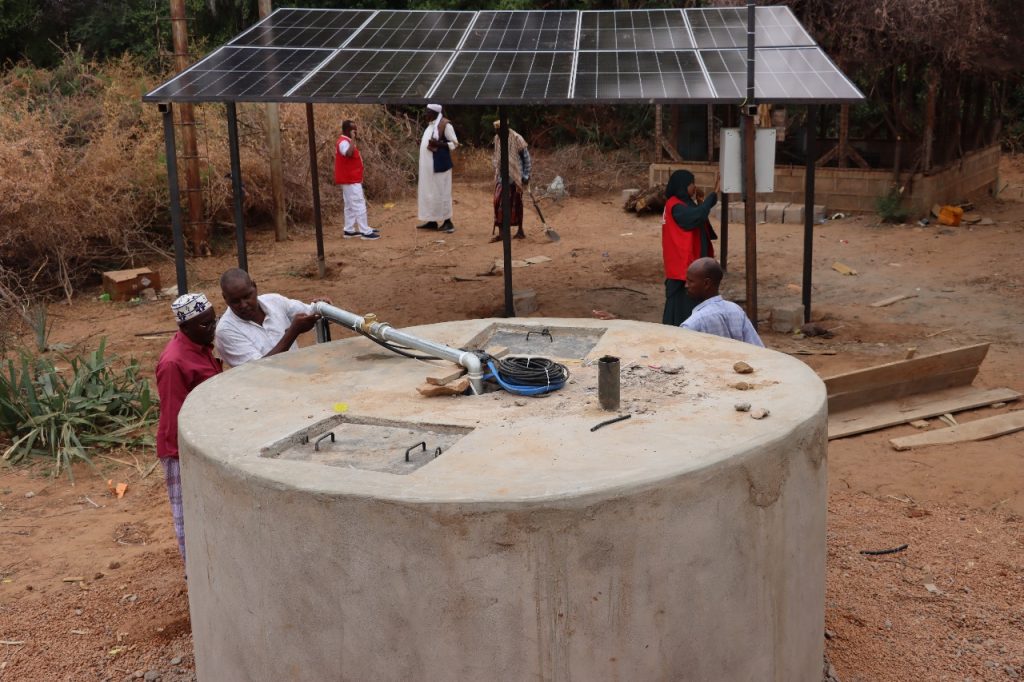
Central to the project’s strategy is the rehabilitation of six existing water sources and construction of three new high-yield solar-powered water supply systems, complemented by the establishment of nine water management committees trained in sustainable resource management. The initiative was intended to strengthen 45 community health promoters to improve sanitation and hygiene practices, directly addressing the alarming cholera outbreak that saw Mandera County record 2,281 cases in 2022-2023.
Beyond water infrastructure, the project empowers 180 beneficiaries organized into nine farmer groups with climate-smart agricultural training, drought-tolerant seeds, drip irrigation systems, and solar-powered milk refrigeration facilities. This integrated approach not only ensures sustainable water access but also creates income-generating opportunities, enhances food security, and builds long-term community resilience in these marginalized border areas where pastoralism remains the primary livelihood strategy.
Inception and partnership in the project
The Daris Wacan project was funded by the European Union through the International Organization for Migration (IOM) Kenya, representing a transformative partnership aimed at strengthening community resilience and adaptive capacity against recurring climate shocks in Mandera County. This strategic collaboration with the Organization for Sustainable Development Africa (OSDA), brings together international expertise, humanitarian resources, and local implementation capacity to address the multifaceted challenges facing vulnerable border communities. The most important outstanding partner in the entire program being the communities and the Mandera County Government through the different ministries.
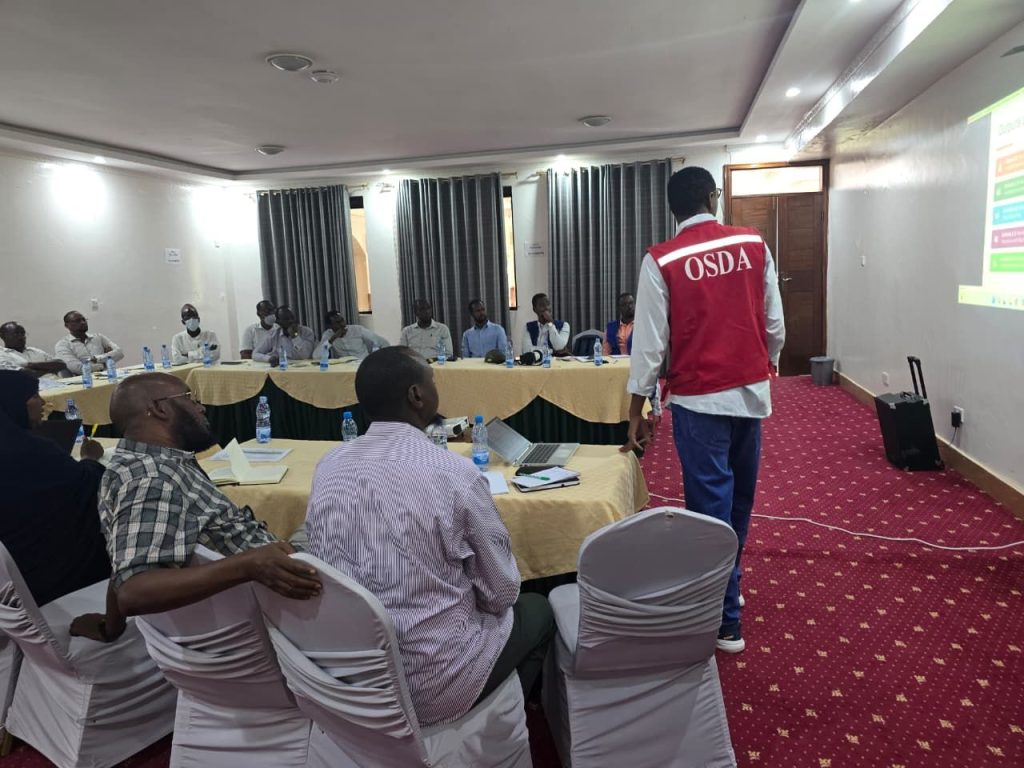
The project was officially incepted in Mandera County through the Project Steering Committee (PSC), chaired by the County Secretary, ensuring strong government ownership and coordination from the outset. During the inception meeting, IOM and OSDA presented a comprehensive overview of planned interventions, implementation timelines, and anticipated outcomes to key county stakeholders. Through intensive deliberations involving county departments of water, health, agriculture, and trade, the PSC thoroughly reviewed the project framework, endorsed the integrated approach, and provided strategic guidance for successful implementation. Following PSC approval, the project was officially rolled out in November 2024, marking the beginning of a twelve-month transformative journey for communities in Mandera East Sub-County.
Impact of the project
The Daris Wacan project has catalyzed profound socio-economic transformation across nine communities in Mandera East Sub-County, demonstrating how integrated water, sanitation, and livelihood interventions can fundamentally reshape vulnerable populations’ resilience to climate shocks. Throughout the implementation period, OSDA and worked collaboratively with various county departments, Water, Trade, Agriculture and Health to ensure the smooth running of the program. After the 12-month of the project, the following are the visible impacts:
- Enhanced Access to Water
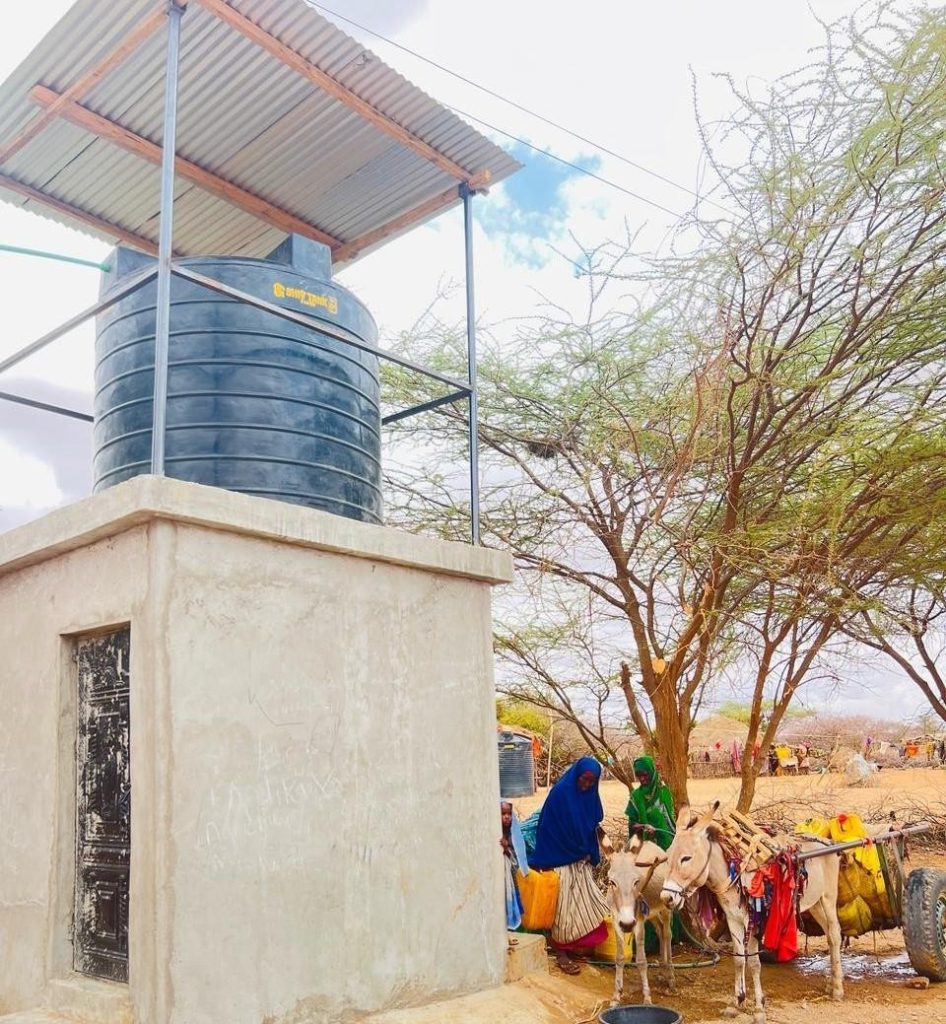
The project has dramatically reduced water collection distances from 5.6 kilometres to merely 300 meters, fundamentally transforming the daily lives of women and girls who traditionally bear the burden of water collection. This five-hour time saving has increased household productivity, enabled girls to attend school more regularly, resulting in a 3% improvement in school enrolment and retention rates, and allowed women to engage in income-generating activities. The strategic solarization of water systems has generated substantial economic benefits, saving communities approximately 90,000 KES monthly previously spent on diesel fuel while simultaneously advancing climate action through reduced fossil fuel consumption and supporting SDG 13 on climate action.
- Food Security, Livelihoods, and Economic Empowerment
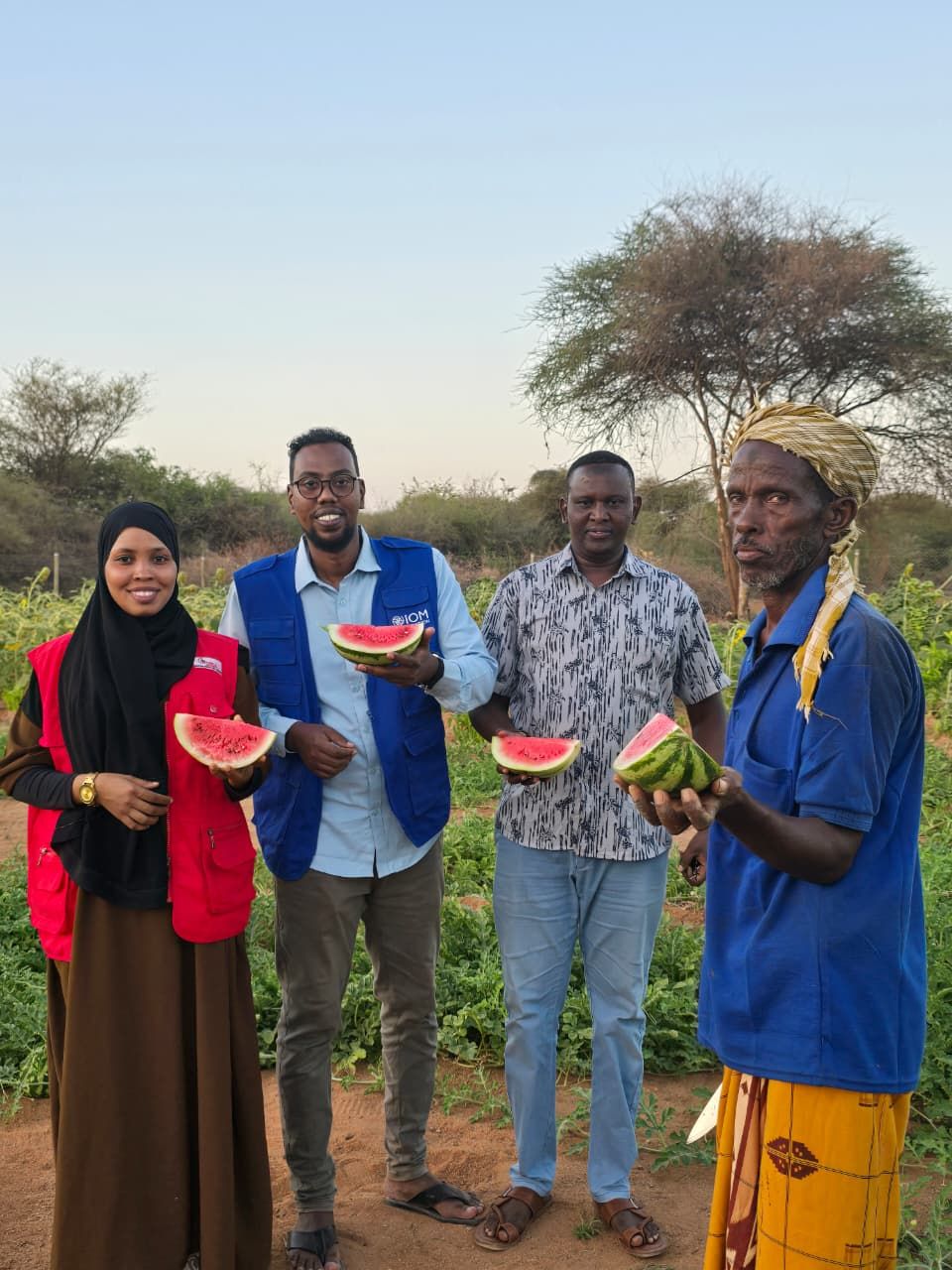
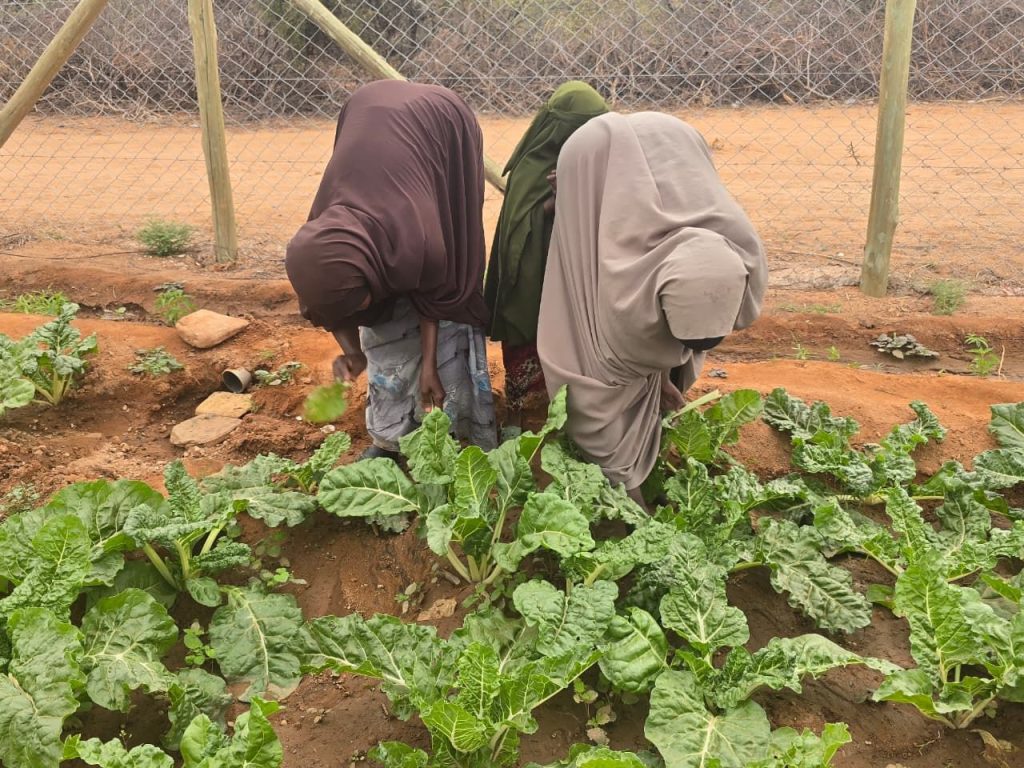
Through climate-smart agricultural interventions in Bella (8-acre land) and Bulla Haji (1-acre piece of land) including fodder production, drip irrigation systems, and provision of drought-tolerant seeds, the project has significantly enhanced food security and nutrition outcomes. Improved livestock body condition through fodder availability and simultaneously increased milk yields, strengthening household economic resilience. Cash-for-work opportunities totalling 5.5 million shillings have provided crucial household income buffers against drought and flood shocks. Solar-powered refrigeration facilities for milk preservation have reduced post-harvest losses while enabling women dairy producers to access better market prices, thereby increasing household income and women’s economic empowerment.
- Peacebuilding and Cross-Border Stability
The establishment of strategic livestock watering points (Harer Hosle, and Umar Jilaow) has reduced long-distance animal trekking, while simultaneously mitigating cross-border pastoral movements that historically triggered resource-based conflicts with neighbouring communities in Somalia and Ethiopia. This intervention directly contributes to regional stability and peaceful coexistence.
- Health, Sanitation, and Community Ownership
The training of 45 Community Health Promoters within Mandera East who promoted sensitization of community members on hygiene and sanitation issues reaching 22,004 community members (10,413 males and 11,591 females) across 9 operational sites in Mandera East, with particular attention to 234 people with disabilities through a 5-month sensitization period. This has been followed with construction of modern VIP latrines in Bella, Matasafara, Sherif Illey and Burabor villages which have catalyzed measurable improvements in hygiene practices and disease prevention awareness, directly supporting SDG 3 and 6. The VIP latrines are also equipped with solar powered lighting systems to ensure safety when using the facilities during the night and with hygiene messages for the community members to stay informed. Notably, community contributions through land donation and active participation demonstrate strong local ownership, ensuring sustainability beyond the project lifecycle. Enhanced capacity of water management committees (water operators) has improved operational efficiency, reduced system downtime, and strengthened accountability mechanisms.
- Inclusive Development and Youth Engagement
The project has empowered seven vulnerable and marginalized communities, with 234 persons with disabilities benefiting from accessible water facilities. Solar technology and agricultural opportunities have engaged approximately 250 idle youth in productive activities, potentially diverting them from extremist recruitment. Strong coordination with county government departments through Technical Working Groups has ensured alignment with county priorities, enhanced government ownership, and positioned interventions for long-term sustainability. The 60% reduction in household and government water trucking costs represents significant economic relief for drought-affected communities, while reaching 25,200 direct beneficiaries (13,104 females, 12,096 males) and 49,000 indirect beneficiaries demonstrates the project’s extensive reach and transformative impact on border community resilience.