
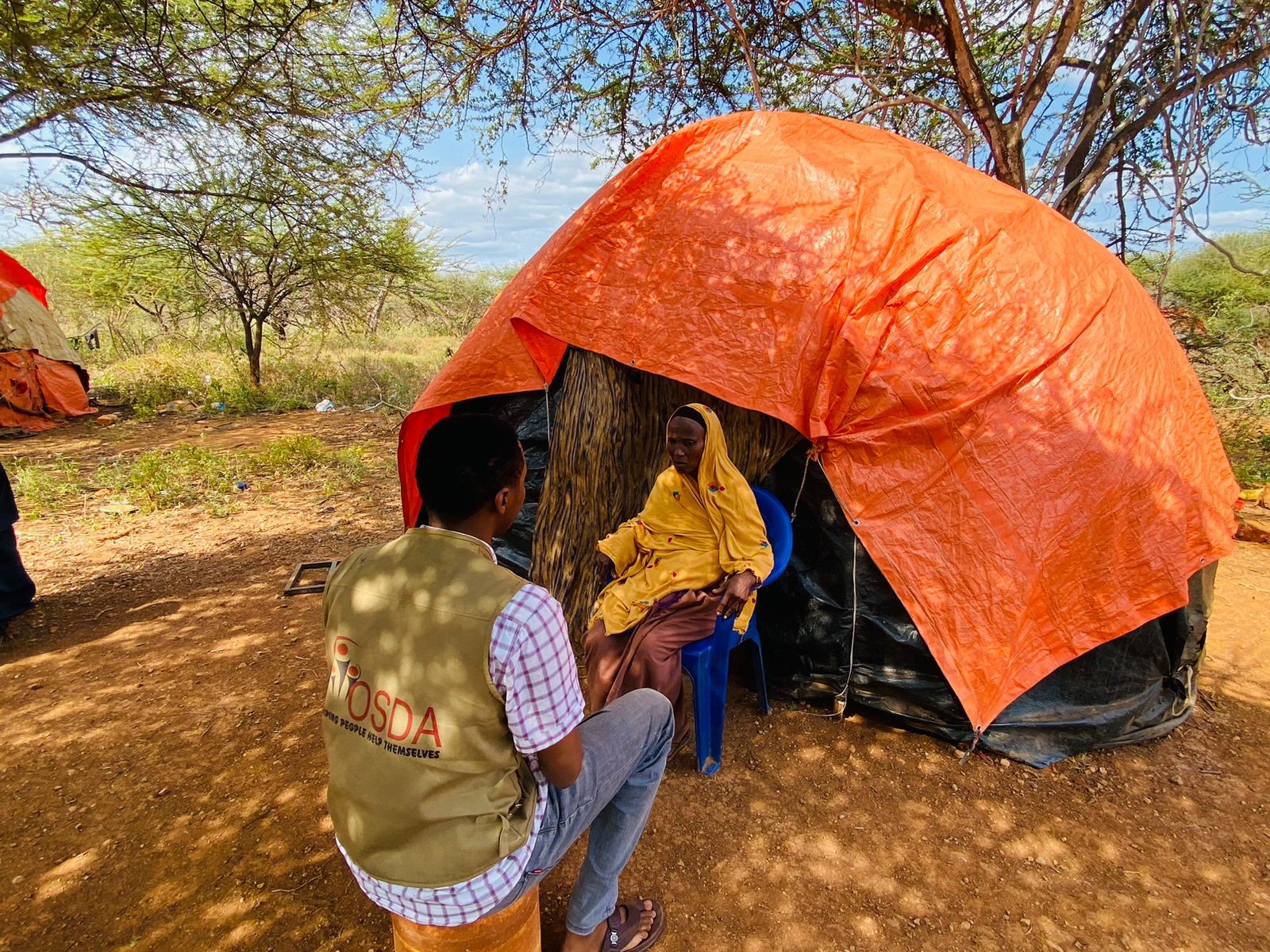
In the conflict-ridden borderlands of Kenya, Somalia, and Ethiopia, the scars of violence run deep. For decades, the Garre and Degodia clans have been embroiled in disputes over land and resources, leading to devastating loss and displacement. Among the countless victims of these conflicts is Mrs. Habiba Sheikh Abdi, a 58-year-old woman from Malkamari, Ethiopia, whose life was upended when she lost both her husband and eldest son to the violence.
For years, Habiba lived with overwhelming grief and anger. The pain of losing her loved ones fueled resentment toward the Degodia clan, whom she blamed for her suffering. Like many women in her community, she struggled to cope with the emotional trauma of war, carrying a burden that seemed impossible to lift. However, her journey took a transformative turn when she participated in a trauma healing session known as Abaay Abaay, an initiative led by the Organization for Sustainable Development Africa (OSDA).
Abaay Abaay: A Path to Healing
Abaay Abaay is a traditional healing process designed for women affected by conflict. Recognizing the profound psychological toll of violence, OSDA facilitated these sessions to help women find solace, forgiveness, and a renewed sense of purpose. The program brought together 70 women from various conflict-affected regions, including Banisa, Eymole, Kilewehiri, and Malkamari, fostering an environment where they could share their experiences and begin the process of healing.
The sessions combined meditation, storytelling, and group discussions, allowing participants to openly express their emotions and listen to others’ struggles. For Habiba, this was a pivotal moment. As she listened to the testimonies of Degodia women who had also suffered immense losses, she realized that grief and pain knew no boundaries. The enemy she had long blamed was, in reality, just as broken as she was.
The Power of Forgiveness and Reconciliation
One particularly powerful testimony came from a woman of the Degodia clan who had lost her own family members in the conflict. Her words struck a chord with Habiba. “I had a strong feeling of hatred for a section of sisters who are present at this event,” Habiba confessed. “But from this time, I have forgiven them. I have known all along I was wrong to keep this hatred for my sisters.”
This moment of revelation marked a turning point in Habiba’s journey. She no longer saw the Degodia as her adversaries but as fellow survivors of a relentless cycle of violence. The healing initiative gave her the courage to let go of the resentment that had weighed her down for years, replacing it with a newfound sense of peace and hope.
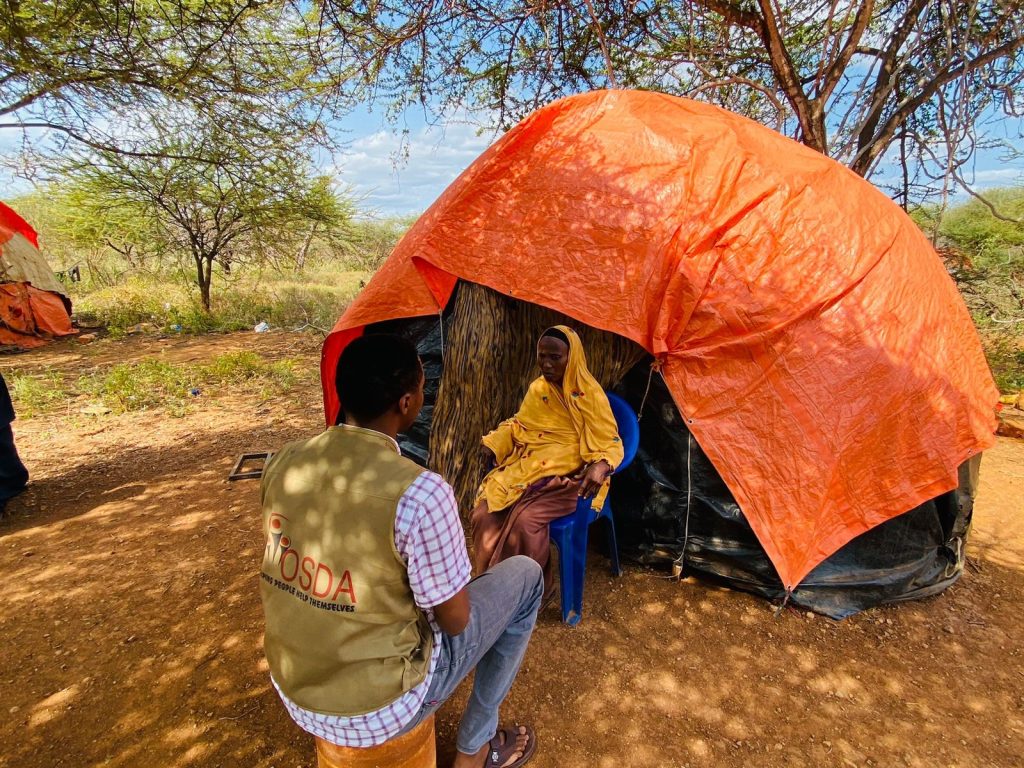
Photo of Mrs Habiba at home in Malkamari Ethiopia who participated in the healing session conducted by OSDA in Banisa town for women affected by conflict in Banisa/Mubarak corridor.
Restoring Communities, One Story at a Time
OSDA’s healing initiative has had a profound impact not only on individual participants like Habiba but also on entire communities. By addressing the emotional and psychological wounds of conflict, the program has fostered reconciliation and social cohesion. Women who once lived in fear and anger now work together to rebuild their lives, proving that peace is possible even in the most volatile regions.
The ripple effect of these sessions is evident in Malkamari, where inter-clan relationships have begun to mend. Families from both the Garre and Degodia clans now coexist peacefully, a stark contrast to the hostility that once defined their interactions. Clan militias have given way to community-driven peace initiatives, and once-hostile regions are gradually transforming into symbols of resilience and unity.
A Model for Sustainable Peace
The success of Abaay Abaay highlights the importance of culturally sensitive, community-led healing efforts in post-conflict societies. By integrating traditional practices with modern peace-building strategies, OSDA has provided a replicable model for addressing trauma in other conflict-affected areas. The program’s holistic approach—encompassing psychological support, social integration, and economic empowerment—ensures that healing extends beyond the emotional realm, creating tangible pathways toward sustainable peace and stability.
For Habiba and many others, the journey from loss to healing has been arduous, but it has also been transformative. Through the power of shared experiences and collective resilience, these women have proven that even in the aftermath of war, hope can flourish. OSDA’s initiative has not only restored their faith in humanity but has also paved the way for a future where forgiveness triumphs over hatred and peace replaces perpetual conflict.
As Habiba looks around her village today, she no longer sees battle lines drawn by pain and loss. Instead, she sees a community determined to heal—a testament to the unbreakable strength of those who refuse to let violence define their lives.
