
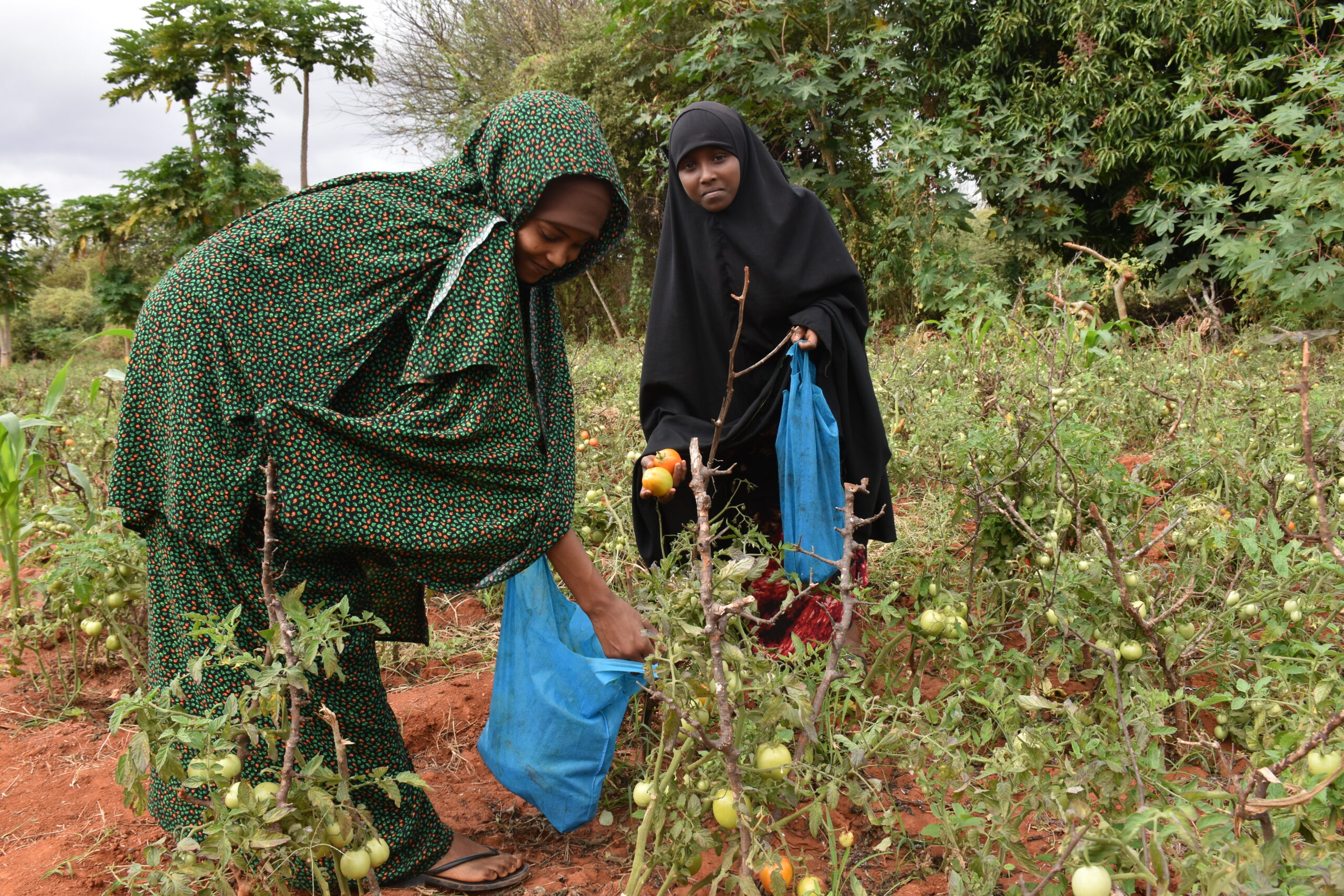
Small-scale farming is a cornerstone of global food security, feeding 70% of the world’s population. Despite its critical importance, small-scale farmers often face disproportionate challenges, including climate change, resource scarcity, and limited access to technology. In climate-vulnerable regions like Northern Kenya, these challenges are exacerbated, threatening livelihoods and food availability.
OSDA’s Commitment to Sustainable Agriculture
Recognizing the pivotal role of small-scale farmers, OSDA has prioritized sustainable agriculture as a key area of focus. Our initiatives aim to:
- Boost Food Security: By supporting smallholder farmers with training in climate-smart practices, OSDA helps communities increase crop yields while adapting to changing environmental conditions.
- Preserve Natural Resources: Sustainable farming techniques, such as agroforestry and conservation agriculture, ensure that soil fertility, water resources, and biodiversity are maintained for future generations.
- Strengthen Climate Resilience: OSDA integrates innovative solutions like drought-resistant seeds and water-harvesting systems to help farmers thrive despite erratic weather patterns.
Why Sustainable Agriculture Matters
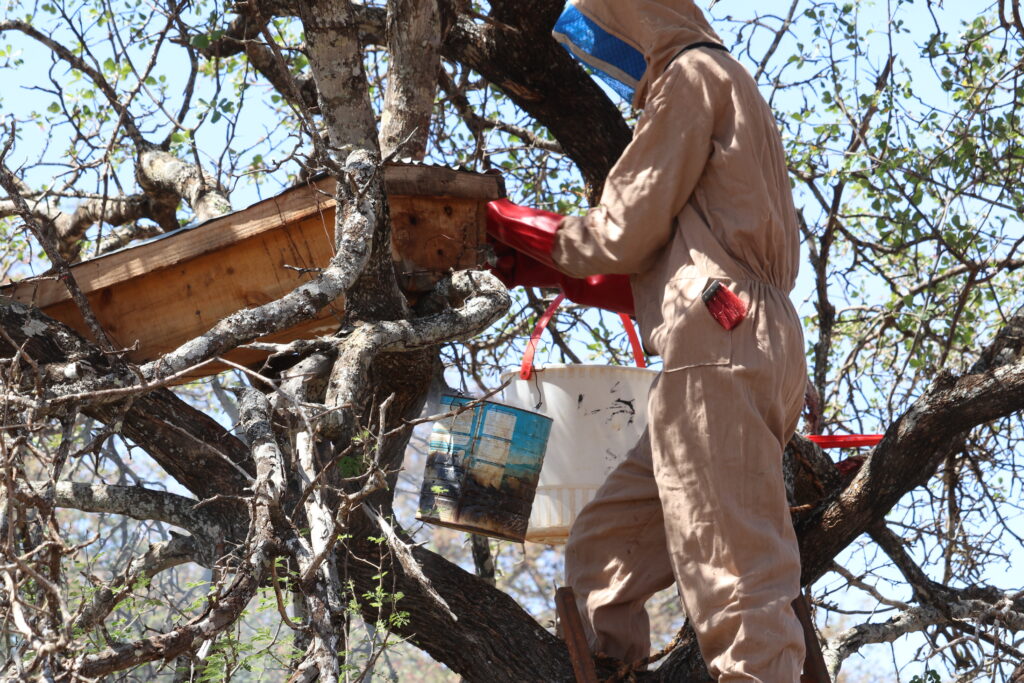
Sustainable agriculture doesn’t just produce more food—it enhances livelihoods, builds resilient communities, and safeguards ecosystems. In regions like Northern Kenya, where livelihoods depend heavily on agriculture, empowering farmers with sustainable practices is key to breaking cycles of poverty and food insecurity.
The Way Forward
OSDA’s sustainable agriculture initiatives directly address the interconnected challenges of climate change and food insecurity. By leveraging community-driven approaches, we aim to amplify the role of smallholder farmers as stewards of the environment and vital contributors to global food security.
Together, we can cultivate a future where communities not only survive but thrive.
Source: FAO
