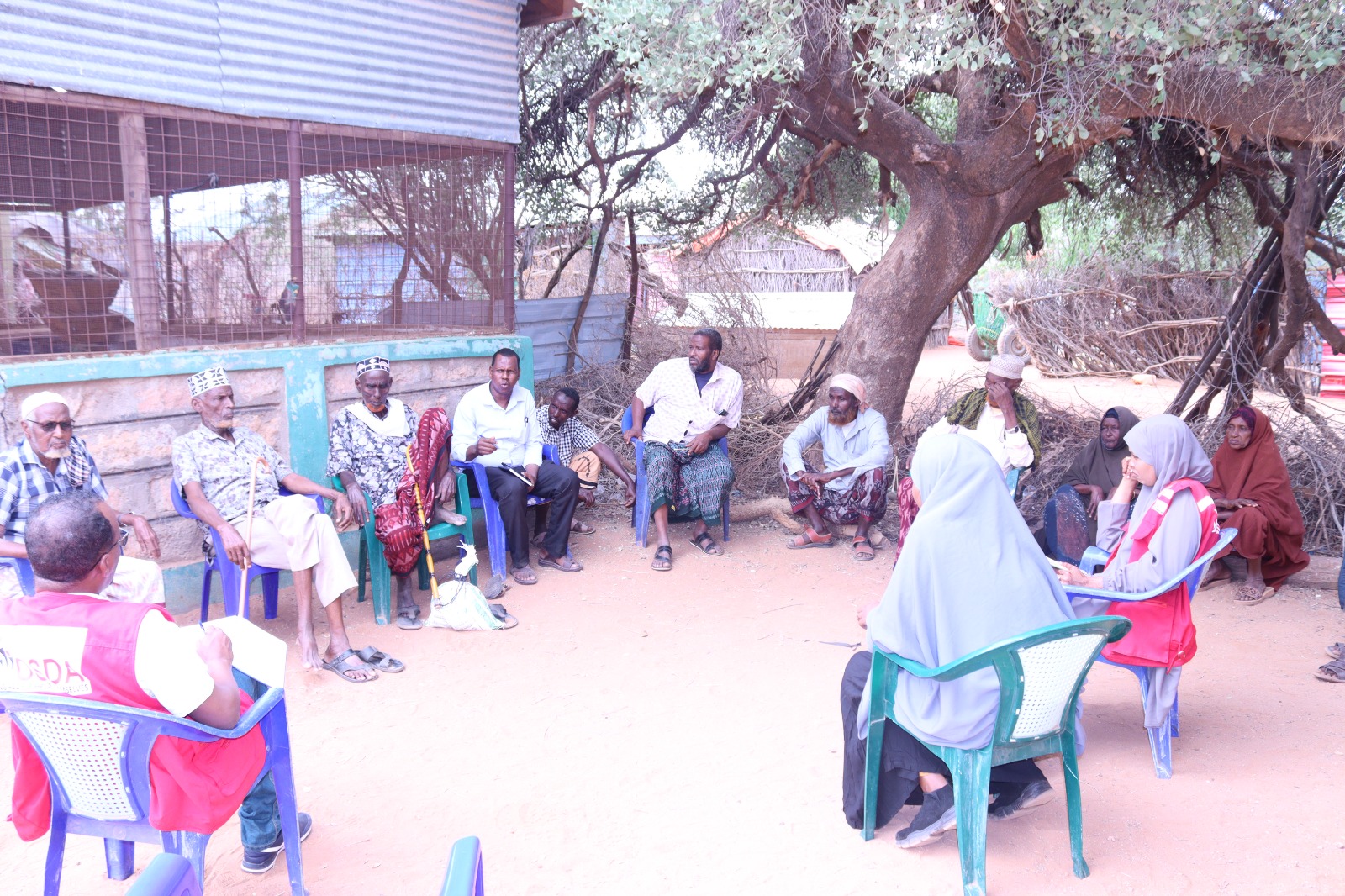
On 22nd July 2025, the Organization for Sustainable Development Africa (OSDA) conducted a field assessment at Border Point 1, a vital riverine farming area located along the borders of Ethiopia and Somalia. This assessment was carried out under the DARIS WACAN project, funded by the European Union through IOM Kenya.
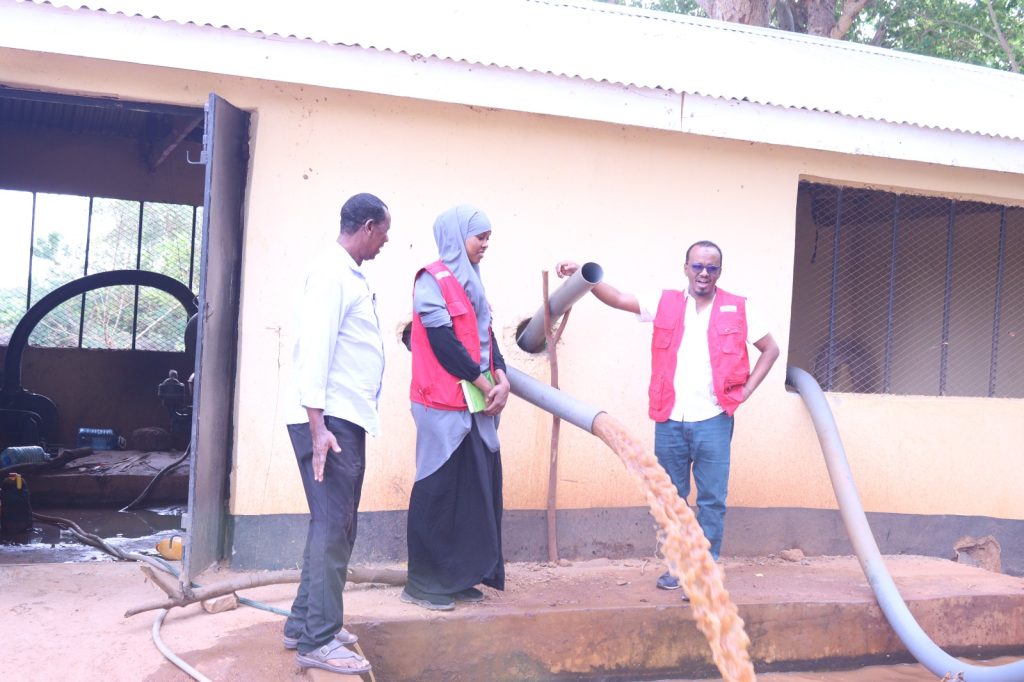
Border Point 1 is a lifeline for hundreds of families who depend on the river water for both farming and domestic use, accessed through a system of five diesel-powered generators (Gensets) and solar-powered water pumps. The area boasts one of the largest irrigation canals in the region, covering over 250 acres, divided into two key zones:
- Block A – equipped with extension canals but lacks solar-powered pumping systems.
- Block B – benefits from solar pumps but lacks extension canals, limiting water distribution efficiency.
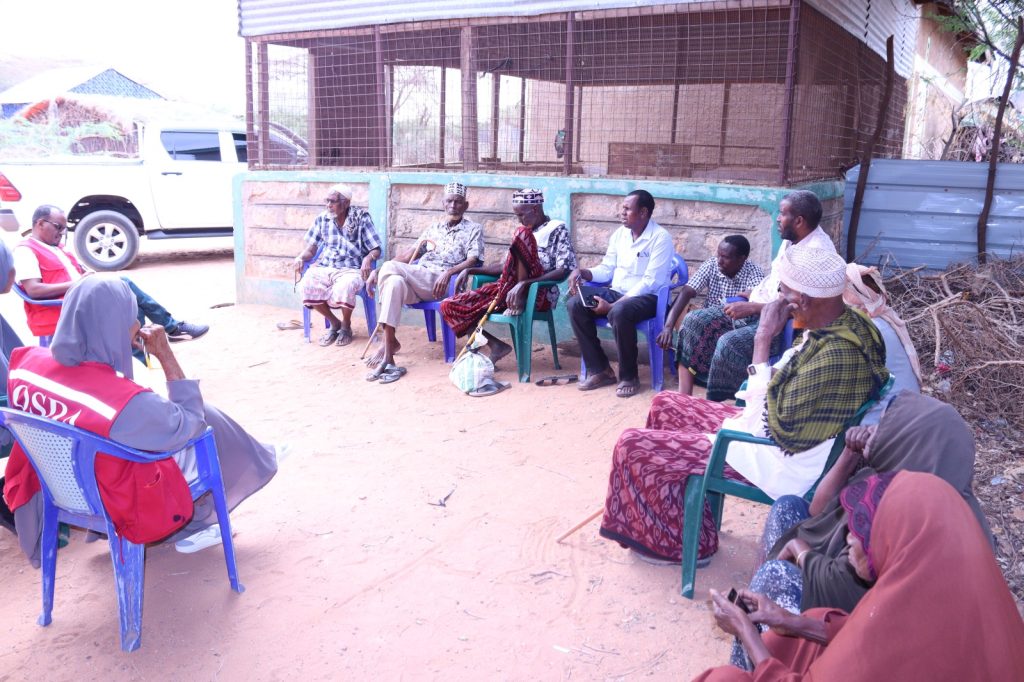
During the visit, the community members identified several critical challenges that are limiting their productivity and livelihoods:
- Disconnected irrigation infrastructure between Block A and Block B, reducing optimal water distribution.
- Limited access to essential farm inputs such as quality seeds, fertilizers, and pesticides.
- Lack of technical support and agricultural training, resulting in low yields and underutilized potential.
Despite these obstacles, approximately 250 local farmers in Border Point 1 continue to cultivate a variety of crops including tomatoes, capsicum, watermelon, onions, groundnuts, sunflower, and maize. However, their efforts are hampered by a shortage of resources and limited support.
Proposed Interventions
In response to the findings of this assessment, OSDA, under the DARIS WACAN project, proposes the following targeted interventions to support the farming community in Border Point 1:
- Connect the irrigation infrastructure between Block A and Block B to ensure efficient water flow and equitable distribution.
- Install solar-powered pumping systems in Block A to reduce reliance on fuel-based Gensets and improve sustainability.
- Construct extension canals in Block B to extend irrigation coverage.
- Distribute certified seeds, fertilizers, and pesticides to improve crop yields and farm productivity.
- Provide training on modern agricultural practices to build the technical capacity of local farmers and improve farm management.
These interventions aim to empower the farmers of Border Point 1 with the tools and knowledge they need to enhance food security, boost household incomes, and contribute meaningfully to regional development.
OSDA remains committed to identifying community-driven solutions and strengthening resilience in vulnerable cross-border regions like Border Point 1.
